Energy efficiency is often marketed as a high-tech pursuit involving smart thermostats, solar panels, and complex HVAC monitoring systems. While these tools are undoubtedly valuable, they are frequently forced to compensate for a more fundamental issue: the structural integrity of the home itself. In the world of building science, the “home envelope” refers to the physical barrier that separates the conditioned air inside your living space from the unpredictable elements outside. When this envelope is compromised, your utility bills skyrocket, regardless of how efficient your furnace or air conditioner might be. Furthermore, understanding the relationship between external structural health and internal climate control allows homeowners to prioritize repairs that offer the most significant return on investment.
Total home maintenance is the process of ensuring this thermal barrier remains airtight and structurally sound. By viewing your house as an interconnected system rather than a collection of isolated rooms, you can identify how a leak in the attic or a gap in the garage door forces your climate control system to work double time. This guide explores the multi-disciplinary approach to home care, illustrating how consistent exterior and interior maintenance can transform a house into a high-performance, cost-saving machine.
Optimizing the Primary Thermal Barrier
The most significant points of energy transfer in any home are the apertures—the places where we intentionally create openings in the walls for light and access. These areas are vulnerable because they rely on mechanical seals and glass panes that must resist extreme temperature differentials. Over time, the materials used to seal these openings degrade due to UV exposure and seasonal expansion and contraction.
-
Draft Detection: On a cold or windy day, run your hand along the edges of your frames. If you feel a temperature change, your home is breathing out money.
-
Sealant Integrity: Check the exterior caulking for cracks or peeling. Modern silicone-based sealants are designed for flexibility, but they still require replacement every five to ten years.
-
Thermal Bridging: Old-fashioned frames made of conductive metals can act as a bridge, pulling cold air into the home even when the glass is intact.
For many homeowners, the most effective upgrade for long-term savings is the installation of replacement windows featuring double or triple-pane glass and argon gas fills. These units create a dead-air space that dramatically slows the transfer of heat. Similarly, the front and rear entries are high-traffic areas where a new door with an insulated core and high-quality weatherstripping can eliminate the drafts that typically plague older entryways. Together, these improvements ensure that the air you pay to heat or cool stays exactly where it belongs.
Managing Natural Light and Radiant Heat
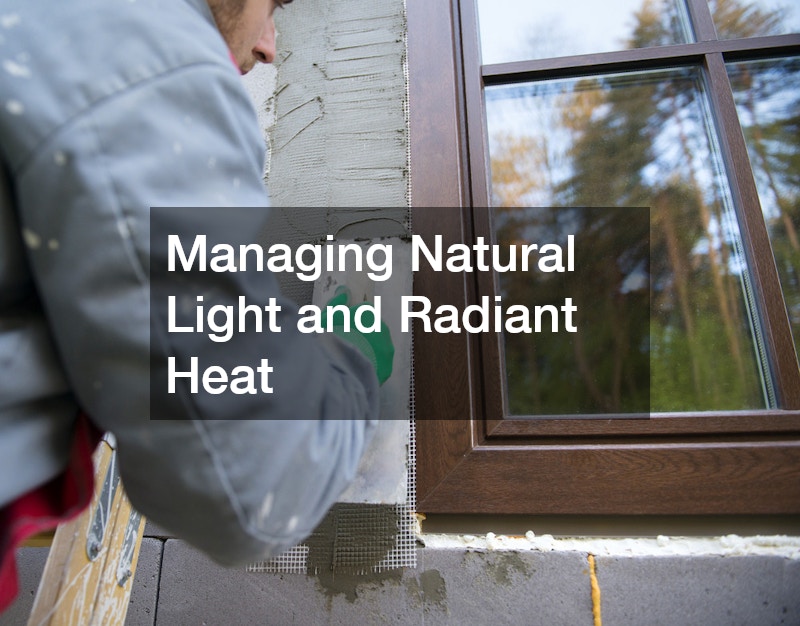
Once the home is sealed, the next challenge is managing the energy that enters through the glass via sunlight. Radiant heat can be a blessing in the winter, providing free warmth to south-facing rooms. However, in the summer, this same energy creates a greenhouse effect that forces your air conditioning to run continuously. Effective energy management requires the ability to modulate how much light enters your space throughout the day.
-
Strategic Shading: Use the movement of the sun to your advantage. Keep coverings open during winter mornings and closed during summer afternoons.
-
Humidity Control: High humidity makes air feel warmer than it actually is, often leading people to turn the thermostat down unnecessarily.
-
Ventilation Hygiene: Ensure that exhaust fans in high-moisture areas are clean and functioning properly to prevent the buildup of heavy, humid air.
The installation of interior window shutters provides an adjustable layer of insulation that can block out harsh afternoon sun while maintaining privacy. These solid barriers are far more effective at stopping radiant heat than thin fabric curtains. In the bathroom, moisture management is equally critical for thermal comfort. Professional glass shower door services can ensure that shower enclosures are properly fitted and ventilated, preventing steam from migrating into the rest of the home and increasing the latent heat load on your cooling system.
Protecting the Structural Shield and Attic Climate
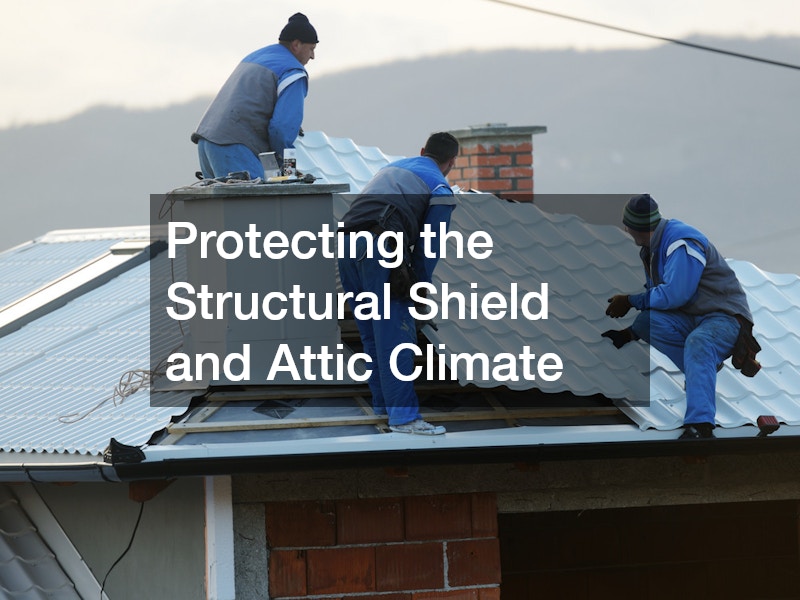
The top of the home is the most vulnerable to the elements and the most significant source of heat gain and loss. Because heat rises, a poorly insulated or leaking roof allows your winter warmth to escape into the atmosphere. Conversely, a dark roof in the summer absorbs massive amounts of solar energy, turning the attic into a furnace that radiates heat down through the ceilings.
-
Attic Ventilation: A healthy roof must breathe. Ensure that your ridge vents and soffits are not blocked by insulation or debris to allow for natural airflow.
-
Insulation R-Value: Over time, loose-fill insulation can settle and lose its effectiveness. Aim for a depth that meets the modern recommendations for your specific climate zone.
-
Moisture Inspection: Water is the enemy of insulation. Even a small leak can mat down fiberglass or cellulose, rendering it useless as a thermal barrier.
Proactive care in this area begins with a professional roof repair service to address missing shingles or damaged flashing before they lead to structural rot. Water management is a critical component of this shield; without a proper gutter installation, rainwater can overflow and saturate the siding or pool near the foundation. Excess moisture near the home leads to higher humidity levels and can even cause the soil to shift, creating cracks in the home envelope that allow air to leak in and out.
External Environmental Management
Landscaping is often viewed through the lens of aesthetics, but it is actually a vital tool for environmental engineering. The plants and structures surrounding your home create a microclimate that can either assist or hinder your energy-saving efforts. By strategically placing vegetation, you can create natural windbreaks and shade canopies that protect the home from the most brutal weather.
-
Windbreak Efficiency: A row of evergreens on the north side of a property can significantly reduce the wind chill factor against the house during winter months.
-
Solar Filtering: Deciduous trees are nature’s perfect energy savers; they provide shade in the summer and drop their leaves in the winter to let the sun warm the walls.
-
Vertical Insulation: The condition of your exterior walls dictates how much heat is absorbed through the “skin” of the building.
Keeping your landscape in check is essential for safety and efficiency. Regular tree trimming services prevent branches from scraping the roof or falling during storms, but they also ensure that shade is directed where it is most needed without obstructing your home’s natural ventilation. On the walls themselves, the expertise of a siding contractor can be invaluable. Modern siding materials often include a layer of rigid foam backing, providing a continuous “thermal wrap” that eliminates the gaps where heat typically escapes through the wall studs.
Sealing the Largest Openings in the Home

The largest uninsulated “wall” in most homes is the garage door. In homes with attached garages, this space acts as a massive thermal buffer. If the garage is freezing in the winter or sweltering in the summer, that temperature will inevitably bleed through the shared walls and into the living quarters. Many homeowners ignore the garage, assuming it doesn’t affect their utility bills, but the reality is quite the opposite.
-
Door Sweeps: Check the bottom seal of your garage door. If you can see light peaking through, you are allowing a constant stream of unconditioned air to sit against your home’s interior walls.
-
Fire Door Seals: The door leading from the garage to the kitchen or hallway should be treated with the same respect as your front door regarding weatherstripping.
-
Storage Habits: Avoid storing volatile chemicals or excessive moisture-trapping items in the garage, as this can affect the air quality and humidity of the entire structure.
Maintaining this area often requires a professional garage door repair to fix misaligned tracks or worn-out rollers that prevent the door from sealing tightly against the header and jambs. When choosing a new door or repairing an old one, the choice of building material is paramount. Steel doors with injected polyurethane foam provide the highest R-values, turning a drafty garage into a stable thermal pocket that protects your home’s core temperature and reduces the work required by your HVAC system.
The Long-Term Financial Impact of Proactive Care
When you commit to total home maintenance, you are doing more than just lowering your monthly utility bill. You are extending the operational lifespan of your most expensive household appliances. An HVAC system that only has to run for ten minutes an hour to maintain a set temperature will last years longer than one that must run for forty minutes because the home is constantly leaking air. This reduction in “wear and tear” represents a significant secondary saving that is often overlooked.
-
Component Longevity: Capacitors, motors, and compressors fail primarily due to heat and overwork. A sealed home is a vacation for your air conditioner.
-
Filter Efficiency: An airtight home envelope keeps outdoor dust and pollen at bay, meaning your air filters stay cleaner longer and your indoor air quality remains high.
-
Market Desirability: In the modern real estate market, documented energy efficiency is a major selling point. Buyers are increasingly looking for “high-performance” homes with low carrying costs.
Furthermore, proactive maintenance prevents the “compounding repair” phenomenon. A small leak in a gutter might seem insignificant, but over three years, it can lead to rotted fascia boards, saturated siding, and foundation settlement. By addressing these issues early, you avoid the five-figure renovation bills that arise from neglect. The money saved on utilities can then be reinvested into further home improvements, creating a virtuous cycle of increasing value and decreasing expenses.
Establishing a Seasonal Maintenance Schedule

The key to successfully reducing energy expenses through maintenance is consistency. Homeowners who wait for something to break before they call a professional are always playing defense. The most efficient homes are those where the owners follow a seasonal checklist to ensure that every component of the home envelope is performing at its peak.
-
Spring Review: Inspect the roof for winter damage, clean the gutters of spring blossoms, and check the air conditioning unit for debris.
-
Autumn Preparation: Swap out screen doors for storm doors, inspect the weatherstripping on all entries, and ensure the fireplace damper closes tightly.
-
Professional Audits: Every few years, consider a professional energy audit. These experts use infrared cameras and blower-door tests to find the invisible leaks you might have missed.
By staying ahead of the seasons, you ensure that your home is always prepared for the next temperature extreme. This proactive stance allows you to schedule repairs during “off-peak” times for contractors, often resulting in better rates and more attentive service. Most importantly, it provides the peace of mind that comes from knowing your home is working with you, not against you, to keep your family comfortable and your finances secure.
Reducing your monthly utility expenses is a marathon, not a sprint. It is a goal achieved through the cumulative effect of small, diligent actions—sealing a gap here, trimming a tree there, and ensuring that every entryway is as airtight as possible. While the initial investment in high-quality materials and professional services can seem daunting, the return on that investment is paid out every single month in the form of lower bills and increased comfort. By integrating these maintenance habits into your lifestyle, you effectively future-proof your property against rising energy costs and environmental changes.
A home that is properly maintained is a resilient home. It is a structure that can withstand the heat of the summer and the chill of the winter without placing an undue burden on the power grid or your bank account. By taking a holistic view of your property and committing to a schedule of total home care, you are not just maintaining a building; you are curating a high-performance environment for your life. Start with the small repairs today, and watch as they grow into significant savings and a more sustainable way of living for the future. Ultimately, the transition to a high-efficiency household is a journey of continuous improvement that rewards both your wallet and your overall quality of life.