As the summer sun intensifies, maintaining a comfortable indoor climate without skyrocketing utility bills becomes a major challenge. Achieving a cool home requires a strategic understanding of thermal dynamics. Your home acts as a barrier against extreme outdoor conditions, but its effectiveness depends heavily on how well its structural and mechanical systems are integrated. Upgrading your living space to resist heat involves treating the home as an ecosystem where every component plays a role in regulating temperature.
Investing in energy-saving renovations delivers financial dividends and increases property value. Rather than viewing home improvements as isolated cosmetic projects, treat them as defensive investments against volatile energy markets. By addressing the pathways through which heat enters your living space, you can create a sanctuary that remains cool while consuming minimal electricity. The following guide explores ten effective enhancements designed to fortify your home against summer heat.
Maximizing Thermal Resistance Within Wall Cavities and Attics
The primary defense against summer heat begins deep within your walls and attic spaces. Thermal energy naturally moves from high to low-temperature areas, meaning scorching outdoor air constantly tries to migrate into your conditioned living areas. Upgrading to high-density insulation materials such as mineral wool batts, dense-pack cellulose, or advanced reflective barriers can dramatically slow down conductive heat transfer. This structural fortification ensures that the cool air generated by your cooling system remains trapped inside.
When planning this upgrade, focus on standardizing the depth of your protective barriers across the entire attic floor. Traditional fiberglass rolls often sag over time, leaving voids where hot attic air can seep downward. Replacing or supplementing these degraded layers creates an unbroken shield that keeps upper floors significantly cooler during peak afternoon hours. This simple improvement relieves pressure from your mechanical cooling units, allowing them to cycle less frequently.
Selecting Certified Professionals for Precise Thermal Upgrades

While choosing high-quality materials is a critical step, the ultimate performance of your home’s thermal envelope depends on the precision of the installation process. Even expensive barriers can lose up to half of their efficiency if compressed or installed around unsealed air leaks. Hiring specialized insulation contractors who possess diagnostic tools, such as thermal imaging cameras and blower door testing equipment, ensures that every square inch of your home is analyzed and insulated to exact industry standards.
When interviewing potential teams, look for certifications from recognized building science organizations that can provide a comprehensive energy assessment before physical work begins. These experts understand how to balance thermal resistance with proper airflow patterns, ensuring that your home does not become so tightly sealed that it traps moisture. They will systematically seal hidden structural bypasses before placing the thermal barriers, ensuring your financial investment translates directly into lower power bills.
Sealing and Fortifying the Roof Structure Against Radiant Heat
The roof of a home bears the brunt of the sun’s radiation, frequently reaching blistering temperatures that exceed one hundred and fifty degrees Fahrenheit. This intense radiant heat quickly transfers downward into the attic space, turning the upper levels of your home into an oven that radiates heat through bedroom ceilings. One of the most permanent solutions to this problem is the application of a seamless, monolithic protective layer directly to the underside of the roof deck.
For homes with flat roofs or low-slope architectures, utilizing specialized spray foam roofers can transform a major thermal liability into a powerful energy-saving asset. This application involves spraying a liquid compound that expands rapidly into a rigid, waterproof, and highly insulating foam layer across the roof surface, which is then covered with a reflective coating. This dual-action upgrade prevents the roof from absorbing solar radiation while providing robust protection against leaks. By lowering attic temperatures, you eliminate the primary source of heat accumulation.
Enhancing the External Building Envelope to Deflect Solar Radiation
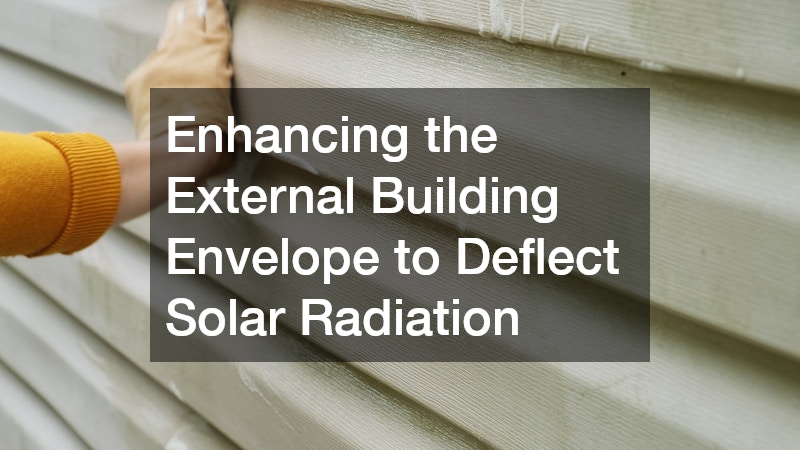
The exterior walls of your home represent a massive surface area that is constantly exposed to direct sunlight and ambient outdoor heat. Over time, standard exterior finishes can degrade, develop cracks, and lose their ability to reflect solar energy, causing the underlying structure to absorb heat. Upgrading your home’s exterior cladding to modern, engineered materials integrated with built-in foam backer boards offers an exceptional opportunity to wrap your entire house in a protective thermal blanket, breaking the thermal bridging that occurs across wooden studs.
To execute this upgrade effectively, seek out professional siding contractors who have extensive experience with insulated vinyl, composite wood, or fiber cement systems. These specialists can install a continuous weather-resistive barrier beneath the new exterior panels, which simultaneously prevents wind-driven hot air from penetrating the framing while allowing internal moisture to escape safely. This comprehensive exterior renovation modernizes the aesthetic appeal of your home while creating an impenetrable multi-layered shield that keeps your indoor spaces cool throughout the longest heatwaves.
Optimizing Mechanical Systems for Maximum Delivery Efficiency
Once the structural shell of your home is thoroughly fortified against external heat, the next crucial step is ensuring that the machinery responsible for removing indoor heat is operating at peak performance. The mechanical network that circulates conditioned air must be perfectly calibrated to match the specific cooling loads of your updated structure. If a system is outdated, improperly sized, or suffering from neglected internal wear, it will consume excessive amounts of electricity. Upgrading to a modern, variable-speed system allows the equipment to modulate its output continuously to match the exact cooling needs of the home.
When looking at your home’s climate control, it is beneficial to consult with certified technicians specializing in advanced heating and air conditioning technology to evaluate the integrity of your ductwork and mechanical configurations. Many homes lose up to thirty percent of their conditioned air through unsealed duct joints located in hot crawlspaces or attics. A comprehensive mechanical overhaul involves sealing these duct networks with mastic paste, balancing airflow dampers to ensure equal distribution across all rooms, and programming smart thermostats to optimize cooling schedules.
Scheduling Pre-Seasonal Calibration to Prevent Mechanical Failures
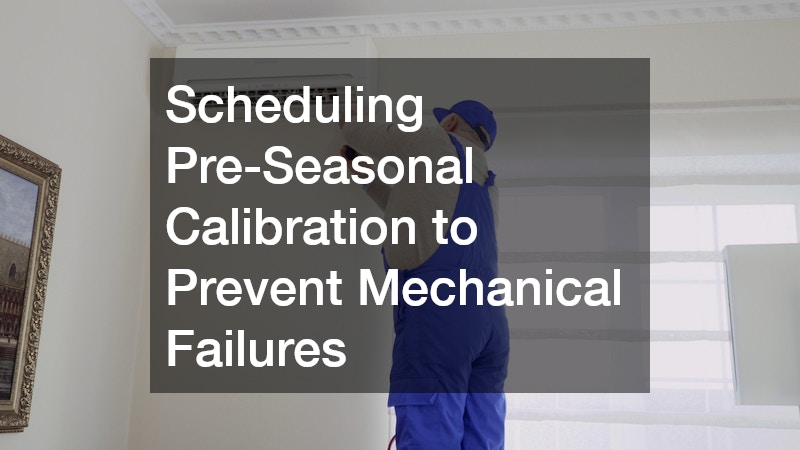
Even advanced cooling machinery will experience a significant drop in efficiency and an increase in energy consumption if it is not regularly calibrated and cleaned. Throughout the spring and summer months, outdoor condenser coils collect dust, lawn debris, pollen, and cobwebs, creating an insulating blanket over the coils that prevents the system from releasing heat outdoors. This restriction forces the compressor to work much harder and run for longer cycles, which rapidly accelerates electricity usage and increases the risk of an expensive mechanical breakdown.
To avoid these costly complications, establish a strict routine of booking comprehensive AC tune-ups before the first true heatwave of the season arrives. A thorough professional calibration includes checking refrigerant charge levels, cleaning both the indoor evaporator and outdoor condenser coils, testing electrical connections, and lubricating all moving parts. Ensuring that the refrigerant pressure is exactly at the manufacturer’s specification is critical, as even a minor deficit can reduce overall efficiency by double digits. This proactive operational maintenance keeps your system running efficiently, lowering your monthly expenses.
Purging Accumulations from Air Pathways to Clear Distribution Loops
The network of pathways responsible for carrying conditioned air into your rooms can easily become restricted by years of accumulated dust, pet dander, drywall grit, and microscopic debris. This internal buildup acts like a clogged filter inside your walls, restricting the volume of air that your mechanical system can move and forcing the blower motor to draw more electrical power to overcome the resistance. Furthermore, restricted airflow prevents the cooling system from adequately removing humidity from the air, leaving indoor spaces feeling sticky, damp, and warmer than the thermostat indicates.
Engaging a professional ventilation cleaning service is a highly effective way to restore the original airflow capacity of your distribution system. Utilizing high-powered vacuum units and specialized rotary brushes, these technicians can completely remove decades of debris from the interior surfaces of your ducts without releasing pollutants into your living spaces. Once the internal pathways are entirely clear, the conditioned air can flow freely into every corner of your home, reducing the time it takes to cool down the house after a hot day and cutting energy consumption.
Replacing Single-Pane Glass with High-Performance Glazing Systems
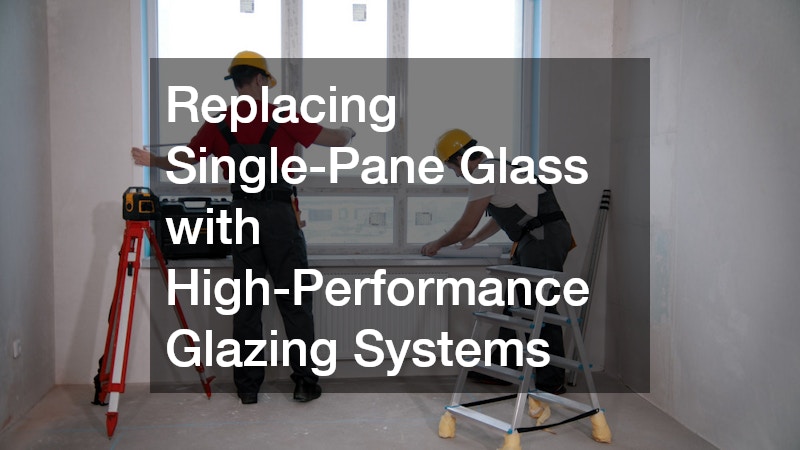
Windows are notoriously the weakest point in any home’s defense against summer heat, acting as direct entryways for solar radiation and conductive warmth. Standard single-pane or older double-pane glass windows allow immense amounts of short-wave solar energy to pass directly into your rooms, where it strikes furniture and floors, converts into long-wave infrared heat, and becomes permanently trapped inside. This greenhouse effect can cause localized temperatures near windows to soar, forcing your cooling systems to run continuously to combat the constant radiant energy entering the home.
Replacing these thermal liabilities with advanced energy-efficient windows featuring multi-pane glass, argon gas fills, and low-emissivity coatings is one of the most impactful structural renovations you can undertake. The specialized microscopic metallic coatings on modern glass are specifically engineered to reflect infrared heat away from your home while allowing natural visible light to pass through unobstructed. Additionally, the insulated vinyl or composite frames of these modern window units prevent conductive heat from traveling through the window frame itself, creating a tight, draft-free barrier that permanently lowers your summer cooling bills.
Utilizing Interior and Exterior Coverings to Block Solar Energy
While upgrading the glass elements of your home provides a permanent barrier against heat, adding an adjustable layer of protection allows you to actively manage solar heat gain as the sun moves across the sky. Deploying high-quality window coverings on the east and west sides of your property provides an immediate defense mechanism during the early morning and late afternoon hours when solar radiation is at its most piercing angle. By blocking the sun’s rays before they can strike the interior surfaces of your rooms, you prevent the initial thermal accumulation that makes cooling your home difficult later in the day.
Investing in tailored window shades with highly reflective white or light-colored backings ensures that solar energy is bounced back outdoors rather than absorbed into the fabric and radiated into the room. Cellular shades, often referred to as honeycomb shades, are particularly effective because their built-in air pockets create an extra layer of thermal resistance right at the window glass interface. Consistently drawing these coverings during hours of peak sun exposure can reduce solar heat gain by up to eighty percent, allowing your living spaces to maintain a stable, comfortable temperature without requiring constant intervention from your air conditioner.
Fortifying Attached Storage Zones and Vehicular Entryways
An overlooked source of severe heat infiltration in many residential layouts is the large, uninsulated space dedicated to vehicle storage and workshop activities. Attached garages often share substantial wall space and ceiling areas with the main living quarters, including bedrooms, kitchens, and hallways. When a standard uninsulated metal overhead door faces the sun, it acts like a giant radiator, heating the interior of the garage to well over one hundred degrees. This massive reservoir of trapped heat then conducts directly through shared interior walls and doors, forcing adjacent living spaces to work twice as hard to stay cool.
Addressing this specific vulnerability requires prioritizing high-performance garage door installations that feature multi-layered construction with injected polyurethane core insulation. Modern insulated overhead doors block the transfer of radiant heat into the garage space while incorporating heavy-duty perimeter weather stripping that seals out hot drafts and humidity. By keeping the internal temperature of your garage significantly closer to ambient outdoor levels, you eliminate the thermal pressure on shared interior walls. This structural modification creates a more stable thermal perimeter for your entire home, leading to immediate energy savings.
Sustaining Long-Term Efficiency Through Proactive Stewardship
Achieving a home that remains perfectly cool during the brutal summer months while maintaining low operational costs is a multi-layered process. By systematically addressing thermal weaknesses in your attic, walls, windows, and garage spaces, you build a durable shield that resists the penetration of extreme outdoor heat. Simultaneously, ensuring that your mechanical equipment and air pathways are clean, calibrated, and optimized guarantees that your cooling systems operate with maximum efficiency and minimal electrical draw.
Ultimately, these combined home improvements do more than just lower your monthly utility expenses; they transform your living environment into a resilient, comfortable, and sustainable sanctuary. Taking a proactive approach to home renovations allows you to stay ahead of seasonal temperature extremes, ensuring that your property remains valuable and refreshingly cool for many years to come. Through careful planning, choosing the right professional expertise, and maintaining a commitment to regular operational upkeep, you can easily outsmart the summer heat waves and enjoy a peaceful, cost-effective indoor climate.